Spotify promotion field guide
Why did boosting my Instagram post get likes but no Spotify streams?
Did the boost fail? Were the likes fake? Is the song the problem? Here's what that gap actually means, and what to check before you spend on the next release.
Indie Music Academy is trusted by 5,000+ independent artists worldwide.
Start Campaign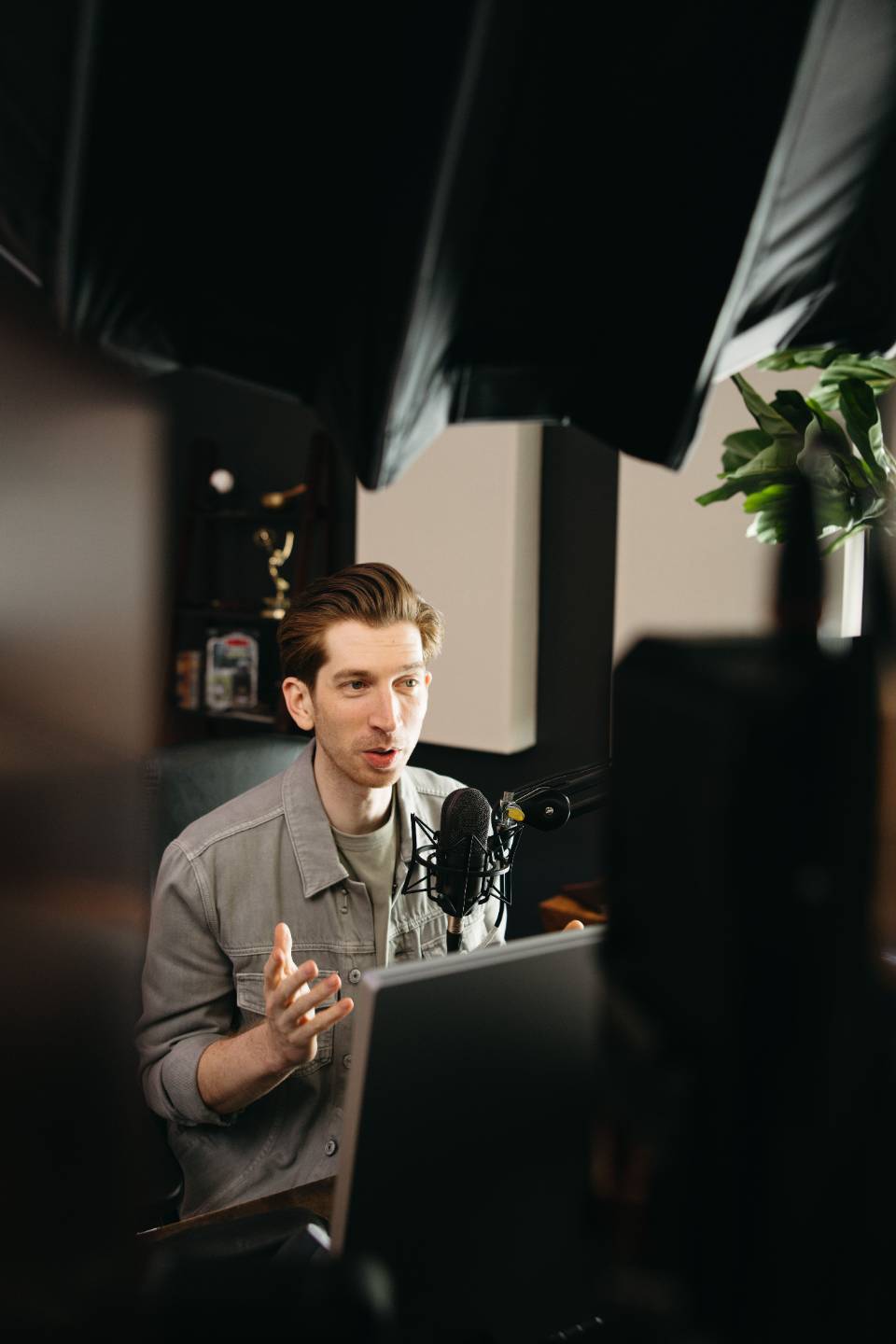
Straight answers from Ryan Waczek, Founder of the Indie Music Academy and the Indie Music Marketing Agency
The short answer
A boosted Instagram post gets likes without Spotify streams because the boost buys attention inside Instagram, and a like is not a play. Liking takes one tap without leaving the app, while streaming means leaving Instagram, opening Spotify and choosing to listen, and many people who enjoy the post never take those steps. Spotify says its personalized playlists consider listening behavior, playlist additions and similar listeners' habits, so likes on another app give it little to learn from. Indie Music Academy calls that the wrong signal: activity that looks like progress but tells Spotify little about who your song is for.
Why didn't the likes turn into streams?
It's release week. You put money behind the Instagram post with your cover art and a clip of the chorus, and by the weekend it has 140 likes and a row of fire emojis in the comments. Then you open Spotify for Artists. The song looks almost exactly like it did before the boost, and the few new plays showed up on the days you posted yourself.
That gap feels personal, as if people liked the clip and didn't like the song. Usually it's simpler than that. A like is the easiest thing anyone can give a post. It happens in the feed, in a second, without leaving the app. A stream asks for a lot more: tap through, leave Instagram, open Spotify and actually listen. The boost paid to put the post in front of people, and most of them gave it the easy response. The likes were probably real people. They just stayed on Instagram.
That's the wrong-signal side of the problem, and it's where a lot of artists spend real money and end up where they started. The post did well by Instagram's measure. Spotify saw very little of it. Where listening comes from matters as much as how much of it there is, which is why Indie Music Academy is strict about sources. Only about 1% of influencer-owned playlists pass our legitimacy test.
Does Spotify count likes and comments from Instagram?
Spotify says its personalized playlists consider listening behavior, playlist additions and similar listeners' habits. Likes, comments and shares on an Instagram post aren't on that list. They're useful to you as a sign that the clip landed, but they happen on someone else's app, and they don't describe how anyone listened to the song.
What gives Spotify something to work with happens on Spotify. Someone plays the song, plays it again, saves it, adds it to a playlist of their own or follows you. A post can send a few people to do that. When the post's real result was likes, Spotify's picture of the song barely changed.
So the boost didn't fail at its own job. It got attention on Instagram. The trouble is that attention on Instagram and listening on Spotify are two different results, and only one of them is signal Spotify can use.
A like tells Instagram you showed up. Listening tells Spotify who the song is for.
What about the streams the boost did bring in?
Some people do tap through, and those plays are real. Look at who they are, though. They were scrolling a feed, saw a clip and got curious for a moment. They weren't looking for a song in your mood or your lane. If they play it once and go back to Instagram, Spotify has a stream with little behind it.
The next moves artists usually try run into the same wall. Running your own Meta ads takes time and a skill set most artists don't have spare. Small playlists whose curators fill them with cheap Meta ads can move the count without bringing listeners who chose that music. Bot playlists produce numbers that look like streams, teach Spotify nothing and can put your catalog at risk.
What follows is a loop we call the Low-Activity Trap. Little real listening leaves Spotify with little signal, little signal makes it hard for anyone new to find the song, and that keeps the listening low. Activity on another app doesn't break the loop, and neither do numbers with no listeners behind them. They just make the trap feel busier.
Where should the promotion money go instead?
Toward listeners who are already on Spotify and already looking for music like yours. When someone searches Spotify for a mood or a moment and picks a playlist themselves, how they listen to your song tells Spotify who it's for. No one can promise Spotify will recommend a song after that, but it's the kind of listening Spotify says its personalized playlists consider.
That's how Indie Music Academy approaches it. We choose playlists by how they rank in Spotify search first, then by vibe and sound, then by genre, and we pitch to vetted curators who decide whether the song belongs. We own zero playlists, and your money never goes to a playlister. We offer a 100% refund if we can't secure a placement for your music. Placement is decided by independent curators and is never guaranteed.
Instagram still has a job. Use it to reach the people who already follow you and to give fans something to share. Just don't count on it to be the source of the listening Spotify learns from.
How do you check whether the next boost is worth it?
Before you pay for another boost, open Spotify for Artists and look at the last one. Compare the song's streams and sources for the week of the boost with the week before it. If the total barely moved and the source breakdown looks the same, the boost bought attention, not listening.
Then ask one question about any promotion you're considering: where will the listeners come from, and would they have chosen music like yours on their own? If the honest answer is a feed they were scrolling, expect likes. If it's a search they made on Spotify, you're paying for the kind of listening Spotify can learn from.
Source guidance: Spotify: Types of playlists
Related questions: Can you trigger the Spotify algorithm with low streams? · Why is my song stuck under 1,000 streams on Spotify?
Start CampaignWho runs this
Built By A Musician Who Tested Everything First.
Indie Music Academy is trusted by more than 5,000 independent artists worldwide. Ryan Waczek, founder of Indie Music Academy, is a working musician turned marketer who tested Spotify promotion services with his own money before building a team that pitches only to vetted, search-ranked playlists.
Before you start
Frequently Asked Questions.
Should I stop boosting Instagram posts for my music?
Do Instagram likes help the Spotify algorithm?
Why do my Spotify streams only go up on days I post?
How is Indie Music Academy different from paying for a boost?
Can Indie Music Academy promise streams after a boost didn't work?
Your next release
Spend On Listening, Not Likes.
Before your next release, decide where the song's first real listeners on Spotify will come from.
Start CampaignIndie Music Academy is not affiliated with or endorsed by Spotify. Playlist placement is decided by independent curators and is never guaranteed. Results vary by song, audience and release strategy. Refund terms are described on our campaign page.