Spotify promotion field guide
Why is my song stuck under 1,000 streams on Spotify?
Release week is over and the numbers have stopped moving. Is it the song, the audience, or something you missed? Here's where to look before spending more on promotion.
Indie Music Academy is trusted by 5,000+ independent artists worldwide.
Start Campaign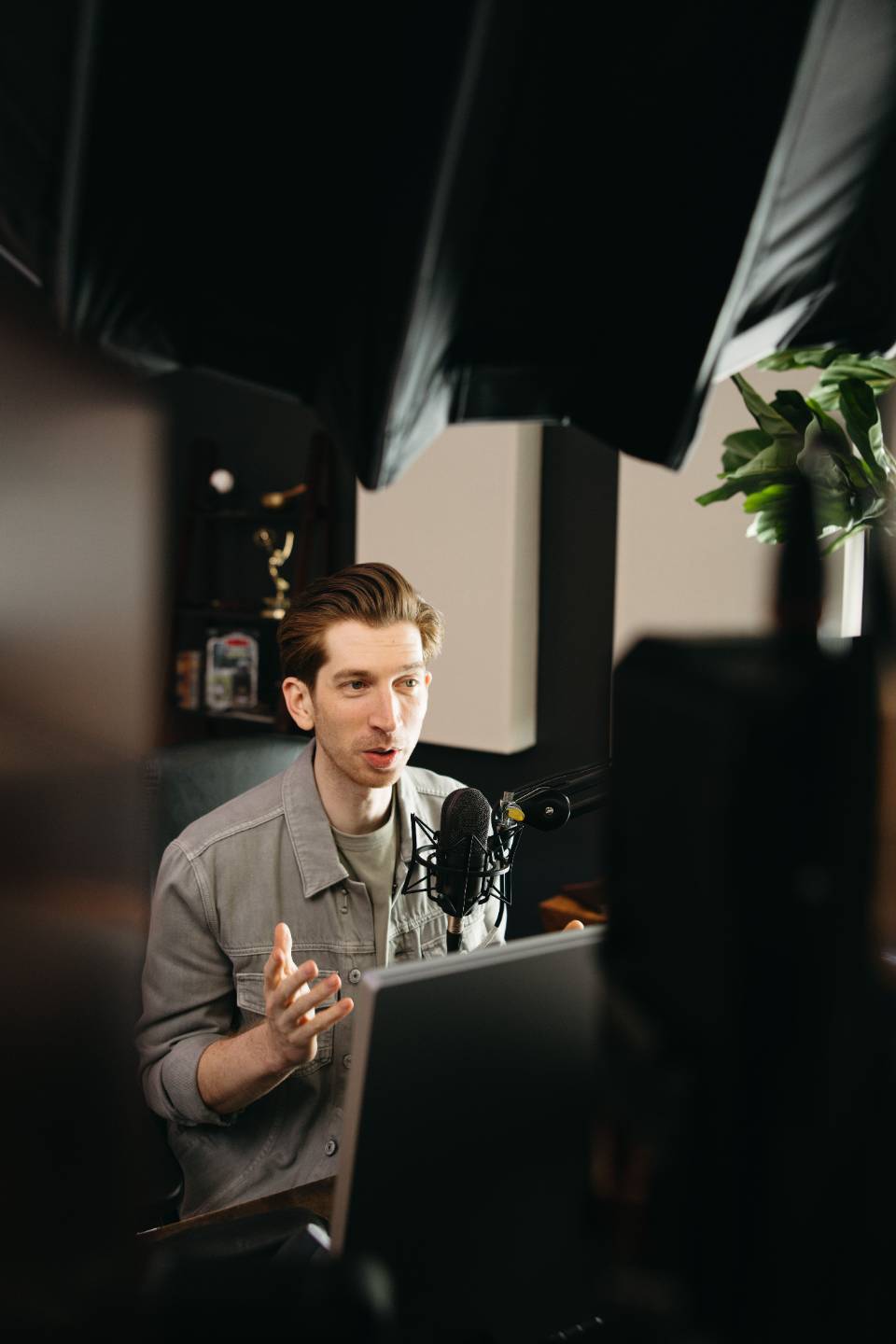
Straight answers from Ryan Waczek, Founder of the Indie Music Academy and the Indie Music Marketing Agency
The short answer
A song can stall under 1,000 streams when its first listeners come from your own circle and there is no steady route to new people who enjoy that kind of music. The stream count alone cannot tell you whether the problem is exposure, audience fit or the recording. Indie Music Academy pitches professionally produced songs to vetted playlists people actually search for, so artists can reach relevant listeners and give Spotify a real signal.
Why did the streams stop after release week?
You paid for the mix, got the artwork right and told everyone when the song came out. Friends listened. A few people shared it. Now you open Spotify for Artists and the count barely moves, even though the recording sounds as good as anything you've released.
Release-week attention can run out before you have a way to reach people outside your own circle. If the same group hears every announcement, another post may bring you back to the same listeners. Stuck streams don't tell you the song is bad. They tell you to look at where the next listener is supposed to come from.
At Indie Music Academy, we look for established playlists with real search traffic and a suitable audience. Only about 1% of influencer-owned playlists pass our legitimacy test. A playlist accepting your song is only useful if people actually listen to that playlist.
Does Spotify hold songs back until they reach 1,000 streams?
Spotify's published 1,000-stream rule concerns recording royalties. A track needs at least 1,000 streams in the previous 12 months, plus a minimum number of unique listeners that Spotify does not disclose, to qualify for its recorded music royalty calculation. This rule does not change publishing royalties.
Treating 1,000 as an algorithm switch confuses two different questions: whether a recording qualifies for royalties and whether Spotify recommends it. Reaching the royalty threshold does not promise recommendations. Equally, a stalled total is not enough evidence to conclude that Spotify has put a cap on your song.
Spotify says its personalized playlists consider listening behavior, playlist additions and the habits of people with similar tastes. Our focus is getting a song in front of suitable real listeners, rather than treating one stream total as a formula for growth.
Your next listener needs a way to find your song.
How can you tell whether the song needs more exposure or a better audience match?
Open Spotify for Artists and start with where the existing streams came from. Was there a short burst after you shared the link, then very little? Did a playlist add the song without bringing listeners? Did an Instagram post get attention that never became listening on Spotify? Those are different situations, and buying more of the same promotion may leave the same gap.
Then think about the listener's reason for pressing play. Which mood, activity or style would make your song welcome in a playlist? A polished recording can still land in the wrong context. Someone looking for quiet background music is a different audience from someone looking for an intense workout soundtrack.
In our experience, extremely explicit or experimental songs can have fewer suitable playlist opportunities. Tracks longer than five minutes may also face curator concerns about skips. Those are fit considerations, not a judgment of the music or a Spotify time limit. The right playlist still matters.
What keeps a good song in the same low-stream loop?
Waiting for new listeners without giving them a way to find you can keep the song in the same place. We call that loop the Low-Activity Trap: little listening leaves you with little audience feedback, while limited discovery makes it harder to build that feedback.
A higher number alone doesn't solve the audience problem. A playlist with an impressive follower count may still bring very little listening. A post can earn likes from people who never open Spotify. Before you pay for another tactic, ask how it connects the recording to people who would choose to hear it.
The useful question is what changes about discovery after the campaign starts. If nobody can explain where the listeners come from or why the song fits their listening habits, the pitch has skipped the part that matters.
How can Indie Music Academy help a song reach new listeners?
We pitch songs to human curators of vetted Legacy Playlists, our term for established playlists with search traffic. We choose playlists by their ranking in Spotify search first, then vibe and sound fit, then genre. The aim is to reach listeners who are already looking for a mood or moment your music suits.
We own zero playlists, and your money never goes to a playlister. Independent curators decide whether a song fits, and they can decline it. We offer a 100% refund if we can't secure a placement for your music. Placement, recommendations and future audience growth are never guaranteed.
Before your next release, decide who should hear the song and how they will discover it. If you want a team to handle playlist vetting and pitching, start a campaign with a professionally produced recording. The goal is to give the song a credible route to listeners beyond the people you already know.
Source guidance: Spotify: Track monetization eligibility · Spotify: Types of playlists
Start CampaignWho runs this
Built By A Musician Who Tested Everything First.
Indie Music Academy is trusted by more than 5,000 independent artists worldwide. Ryan Waczek, founder of Indie Music Academy, is a working musician turned marketer who tested Spotify promotion services with his own money before building a team focused on vetted, search-ranked playlists.
Before you start
Frequently Asked Questions.
Do songs below 1,000 streams earn recording royalties?
Does a low stream count mean my song isn't good enough?
Is it too late to promote a song after release week?
Does Indie Music Academy accept every song?
What if no curator accepts my recording?
Your next release
Give Your Song A Route To Real Listeners.
Start with the audience your music fits, then put a plan behind reaching them.
Start CampaignIndie Music Academy is not affiliated with or endorsed by Spotify. Playlist placement is decided by independent curators and is never guaranteed. Results vary by song, audience and release strategy. Refund terms are described on our campaign page.